
The Ultimate Guide to Driving in Germany: Licences, Rules, and Getting Around
Moving to Germany? Find out if your foreign driving licence is valid, how to register a car, and the essential German driving rules you need to know.
If you’re moving to Germany or planning an extended stay, figuring out how to get around is probably at the top of your to-do list. The good news? Germany has an incredible transportation network. But if you want the freedom of driving—whether you’re hitting the road in your own car, renting, or using car-sharing apps—you need to know the local laws.
German driving rules can be strict, but they are easy to master once you know how the system works. Here is your simple, jargon-free guide to driving in Germany.
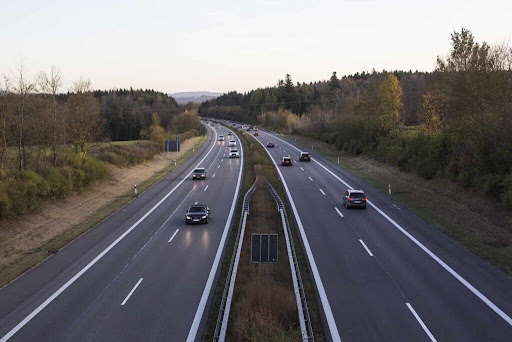
Can I Drive in Germany with a Foreign Licence?
The most common question expats ask is whether their current driving licence is valid in Germany. The answer depends on where your licence was issued.
Licences from the EU, Norway, Iceland, and Liechtenstein
You are in luck! If your driving licence is from one of these countries, it is 100% valid in Germany. You don’t have to worry about exchanging it or getting an international translation.
Licences from Non-EU Countries
If you are coming from outside the EU, the rules are a bit different:
The 6-Month Rule: Your foreign licence is only valid for the first six months after you register your German address (Anmeldung).
Translation Needed: In most cases, you must carry an official German translation of your licence when you drive.
Exchanging Your Licence: After six months, you will need to get a German driving licence. Depending on your home country's specific agreements with Germany, you may need to take a theoretical or practical driving test to make the swap.
How to Get a German Driving Licence
If you need to get your very first driving licence in Germany (or if you are required to take the tests to exchange your foreign one), here is what you need to do:
Register at a driving school (Fahrschule): This is mandatory. You cannot just take the test on your own.
Take a first-aid course and eye test: You will need official certificates for both before you can apply.
Pass the exams: You must pass both a written theoretical test and an in-car practical driving test.
Visit the Licence Office: Submit your paperwork to the local Driving Licence Office (Führerscheinstelle).
Buying and Owning a Car in Germany
If you plan to buy or bring your own car, there is some required admin work to keep your vehicle street-legal.
Car Registration: You must register your vehicle at the local Motor Vehicle Office (Zulassungsstelle). You will need your ID, the car’s registration papers, and proof of auto insurance.
Vehicle Tax (Kfz-Steuer): Every car owner in Germany pays a motor vehicle tax. This is set up automatically when you register the car and is based on your engine size and emissions.
The TÜV Inspection: Every two years, your car must pass a strict technical inspection (Hauptuntersuchung or HU). An inspector will check your brakes, emissions, and overall safety. Pass this, and you get a new sticker for your licence plate!
Car Insurance: At a minimum, you must have Third-Party Liability Insurance (Kfz-Haftpflichtversicherung). Many drivers also opt for Comprehensive cover (Teilkasko or Vollkasko) to protect their own vehicle against damage.
5 Essential German Driving Rules You Must Know
Driving safely in Germany means understanding the local etiquette and laws. Keep these top rules in mind to avoid fines:
Drive on the right, pass on the left: Never pass a car on the right side on the Autobahn.
Winter Tyres are mandatory: Germany has a "situational" winter tyre law. If there is ice, frost, or snow on the road, you must have winter or all-season tyres equipped.
Strict Alcohol Limits: The legal blood alcohol limit is 0.05% (and 0.00% for drivers under 21 or those who have had their licence for less than two years). Don't risk it—penalties are severe.
Emissions Stickers (Umweltplakette): Many German city centers are "Low Emission Zones." To drive into them, you need a green emissions sticker on your windshield. You can buy these at any inspection station (like TÜV or DEKRA) or online.
The Penalty Points System: Germany tracks traffic violations using a points system based in Flensburg. If you get caught speeding, running red lights, or driving recklessly, you accumulate points. Hit 8 points, and you lose your licence.
No Car? Try Car Sharing and Carpooling!
You don’t actually need to own a car to enjoy driving in Germany. The country is famous for its massive network of alternative driving options.
Car-Sharing Apps: In almost every major German city, you can use smartphone apps to unlock cars parked on the street. You simply pay by the minute, kilometer, or hour. It’s perfect for grocery runs or day trips, and insurance and parking are usually included in the price!
Carpooling (Mitfahrgelegenheit): Traveling to another city but don't want to take the train? Carpooling websites connect you with drivers who are already heading your way. You just chip in for gas, making it one of the cheapest and most flexible ways to travel across the country.
Ready to Hit the Road?
Driving in Germany is incredibly safe and straightforward once you learn the ropes. Make sure your licence is valid, keep your car up to date with its inspections, and always respect the local traffic laws. Safe travels!


